Lush rainforest, rugged oceanside and oversized-nature on the west coast of Turtle Island.
Table of contents
January 28 - 31,
Victoria BC
After a pretty uneventful early morning flight, we landed at the tiny Victoria BC airport and hoped in a friend’s car to get into the city proper. This was my first time going that far west in Canada and the first things that struck me was the climate (really temperate and wet for winter) and the amount of moss (so much moss, Scotland/Ireland levels of moss).
After arriving to the city, one of the first thing we did was head out to the ocean, Victoria is a kind of weird little peninsula attached to the Vancouver island, so whether you go west or south you end up to one of the many beaches that surrounds it.
I’ve never been much of a water kind of person and saw the ocean only a handful of times, always from a cautious distance. This time I decided to try to get to know it a bit better and the size of the waves allowed me to get right by it and explore all the life that was inhabiting the tide pools. Anemones, algae, tiny crabs, barnacles and much more fill these tiny temporary lakes that rejoin the larger ocean every day at high tide.
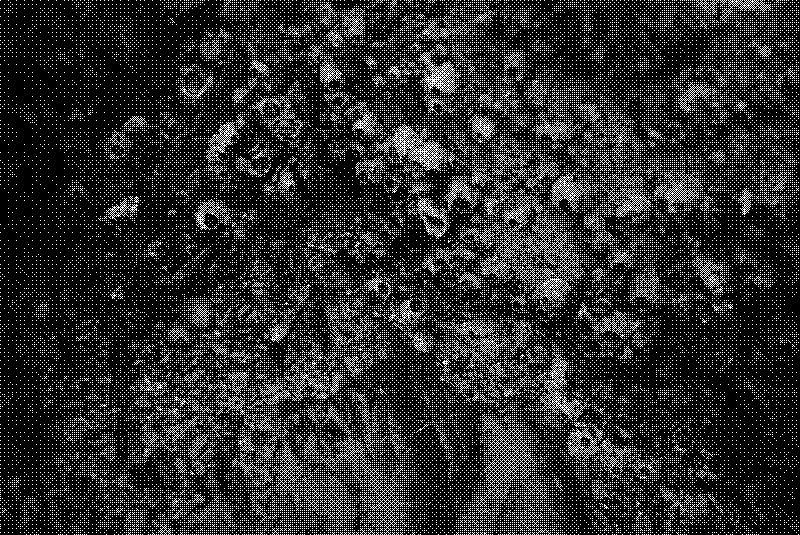
We continued our beach walk with me stopping every couple minutes to take some photos of textures, rocks, seaweed and driftwood. Lots of things reminding me of beaches i’ve been on in Scotland but at the same time with different species of everything. That’s a big theme of that whole trip; new nature, species i’ve never been before and they’re all bigger than what I’m used to. Even the seagulls flying around the beach were quite larger than the ones we get in Quebec.
At the end of this first ocean-side stroll we encountered a great blue heron, fishing in some tide pools. He was quite relaxed around humans so I got to get close to him and get some good shots and we hung out with him for a while and watched him catch so many fish.
The other plant that really surprised me was bull kelp, a type of kelp that can grow up to 36 meters long in large underwater forests. We kept seeing parts of the large tubular algae washed up on the shore and I asked hex what they were and they told me about the bull kelp which grows all over the pacific northwest coast. After doing some research I even found that it’s comestible and that some people make pickles out of them (which I sadly wasn’t able to procure while in BC, even I tried quite a bit!)
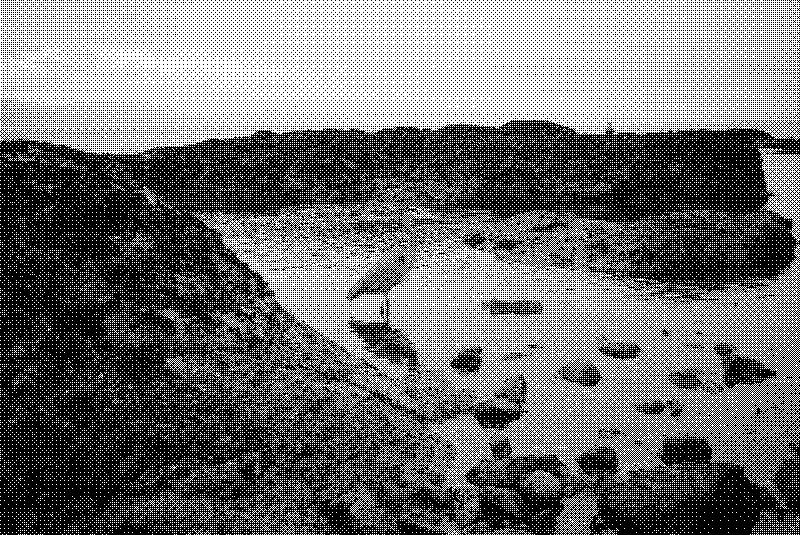
In the following days we went back to the beach to scout some locations for the music video we were planning to shoot while visiting and on these subsequent walks I encountered more of the stark and beautiful costal nature of the area. Especially on days where it was raining a lot, the seashore rocks blackened by the rain, the trees standing tall, the mist in the air, and the waves gently lapping the stone beach created a pretty eerie atmosphere.
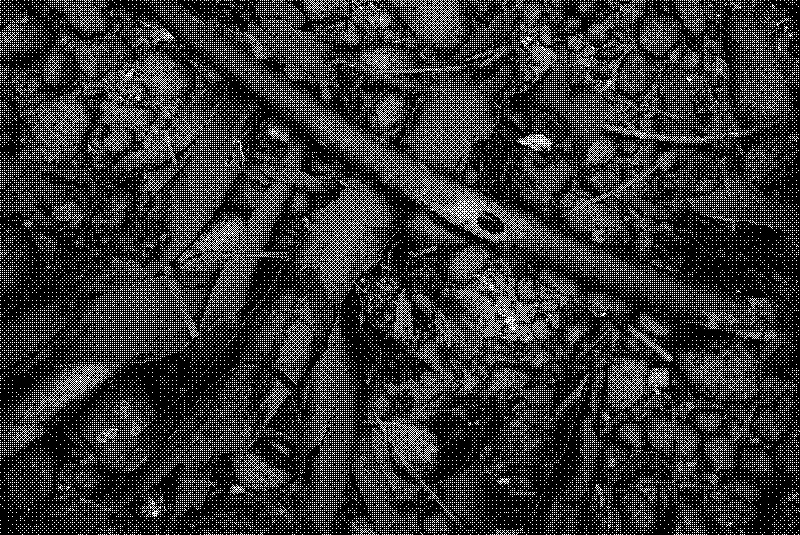
The end of one of these walks had us climbing the very steep winding mud path that you can see below up a cliff to end up in a small road with trees arching overhead.
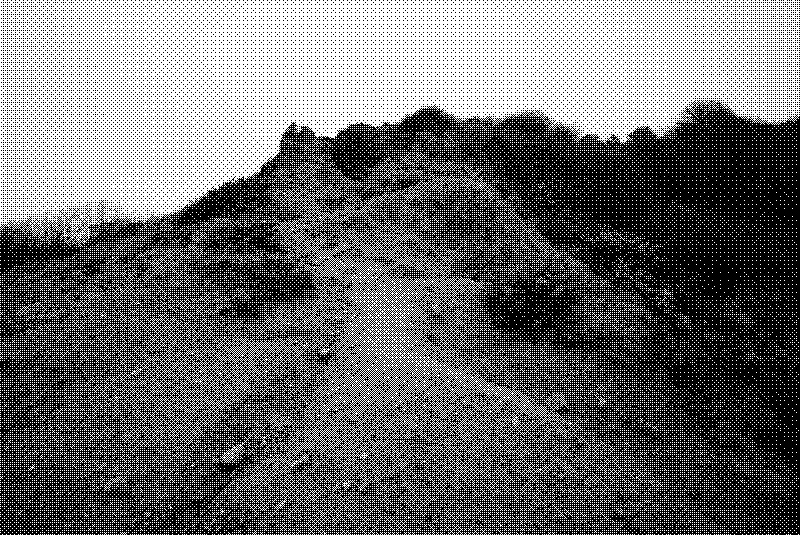
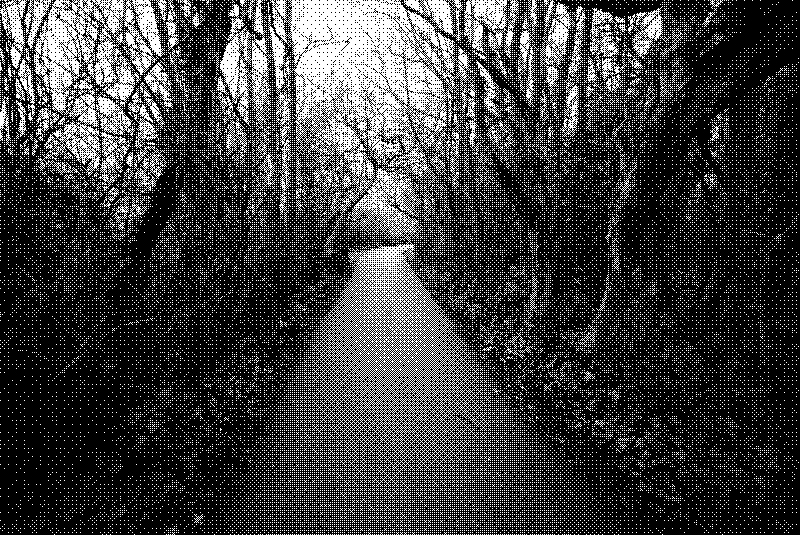
Hex also showed me around the city itself, having lived there for a bit they walked me through the different neighbourhood and the main reference points. Victoria is a pretty small and very easy to get around city by foot. It is home of Canada’s oldest chinatown, tons of great restaurants and quite a few victorian houses. The city is also strewed with a selection of older trees, especially Garry Oak trees which are recognizable by their very twisty branches, here’s a pic of one of them I took in downtown Victoria.
February 1 - 3,
Point No Point
The second destination of the trip was about to bring me much closer to wilder and darker parts of the west coast. The drive to point no point on it’s own was quite the experience, we drove out pretty late, going up the mountains, going north along the coast surrounded by massive conifer trees shrouded in fog and mist. Every turn of the twisty road revealing more majestic views. It’s hard not to feel intimidated and humbled by landscapes like that, even more when you realize that those trees are not that old, a lot of the old growth forest that used to cover that part of Vancouver island haven’t been clear cut art the turn of the century.
We arrived to our rented log cabin in the middle of the night, tired from the demanding drive but happy to be there. The air was filled with moisture and the sound of massive waves crashing on the rocky shore could be heard even from inside the cabin. We lit a fire and took it all in. The nature felt so alive and present, the sea, the rocks, and the trees acting as guardians of this rugged land.
We went on the beach that first night and the experience was truly otherworldly. In full darkness, our flashlight revealing alien looking rocks shaped by the waves as we walked down on the beach, meeting an hanging sculpture made from buoys and debris who had washed up to shore on the way.
I couldn’t help but feel a similar way that I felt in the Irish countryside at night, like the night is alive and that every part of the nature and the spirits it shelters make themselves felt. This time of night really feels like the territory of otherworldly beings and we should tread lightly while venturing out in their domain.
After a good night of sleep, we went out exploring around in daylight this time. Walking through the dense coastal forest vegetation I noticed so many different species of trees, bushes, and moss that I didn’t knew about: sword fern, salal, and old man’s beard (the long stringy lichen hanging from tree branches). The salal was especially present, growing in large clusters of bushes connected underground through a rhizome network.
Walking on the trails to head to the point we also noticed a strange octogonal concrete shape which looked like the remnant of some old structure. While doing some research on it I found out that it was the only thing left from a WWII-era radio tower, which was then used as lodging for the woman who bought that piece of coastal land and built the cabin resort on it in the 50’s. It’s pretty wild to see photos from the time because what is now a lush forest with pretty sizeable trees was then clearcut and all the trees we could see there now where relatively young.
It is good to see how well nature can recreate rich environments like a coastal rainforest in a couple of decades when left on it’s on and slightly managed, but I can’t help but try to picture how this place looked before it was clear cut in the early 20th century. Was there some species that just aren’t around anymore? What kind of fauna was living amongst the dense brush and in the massive trees?
We got lucky enough to spot a couple of bald eagles calling to each other and then gathering at the top of of a tree, Hex caught a quick glimpse of a river otter, and we saw and heard a collection of birds throughout our stay.
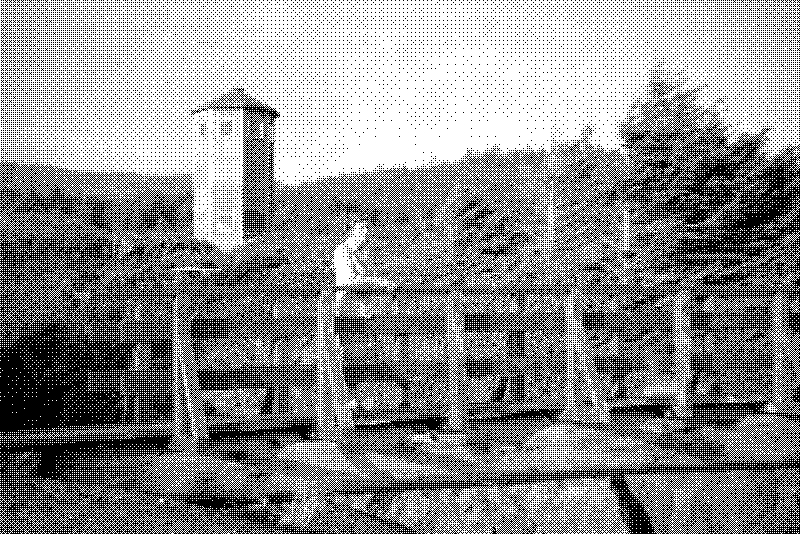
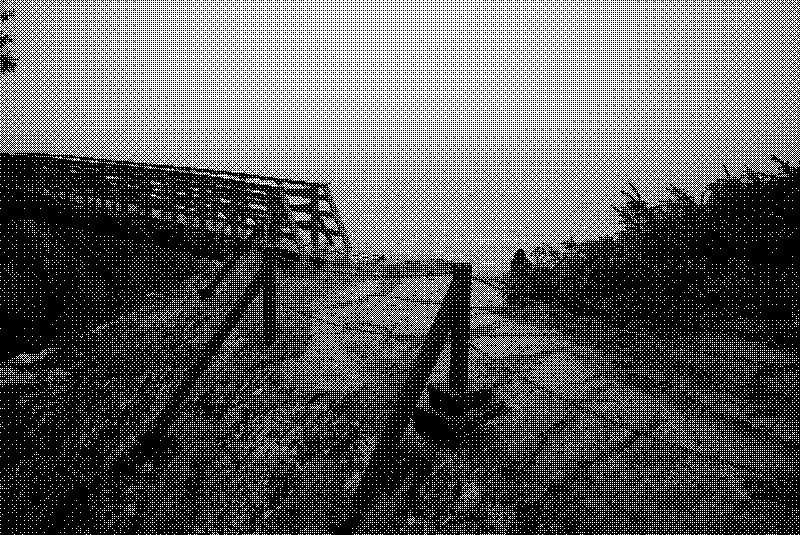
The last morning we were there, I went back on the beach on my own to get some slow motion footage for the music video we were filming while in BC, and also spent some time getting to know the sea life that was living in the tide pools. I really wish I could go and see tide pools where we live, they’re such nice little pockets of life that changes over the course of a day as the tide comes in and out. Depending on the time of day certain mollusks and crustaceans will be out like this big green anemone, or closed off and hiding when out of the water. And the close you look the more you can see life; tiny crabs, barnacles, mussels, anemones of different colors, it’s really fascinating.
This place was definitely one of the highlights of the trip, and one of the places where i felt i could connect to the nature and the land the most. Despite having been mistreated, clear cut, built on, and fighting off with invasive species (there was holly everywhere, smothering the native trees and bushes), I feel like it’s remote enough to be spared the brunt of human destruction these days. We decided to come back again in the future and keep going more north to, going through the awe-inspiring malahat pass which we got only a peek of this time.
February 4-10,
Victoria, Gowlland and Goldstream park
After our time in Sooke, we ventured back to our friends' place in Victoria and shot a music video for our Voidxwitch project over a couple days, making the most out of the beautiful landscape and the seaside.
And then, once that project was wrapped we ventured out one last time to go see some more rain forest. Our first stop was Gowlland park, where Hex wanted to do a small ritual. We walked off the path for a little while to find the perfect spot for them to do that, going up stiff inclines covered with a heavy blanket of moss, crossing a younger part of the forest where lots of smaller trees had fallen possibly due to a storm to finally get to a small clearing. While they were busy with their ritual I explored the flora and fauna of the place from up close and took some field recordings.
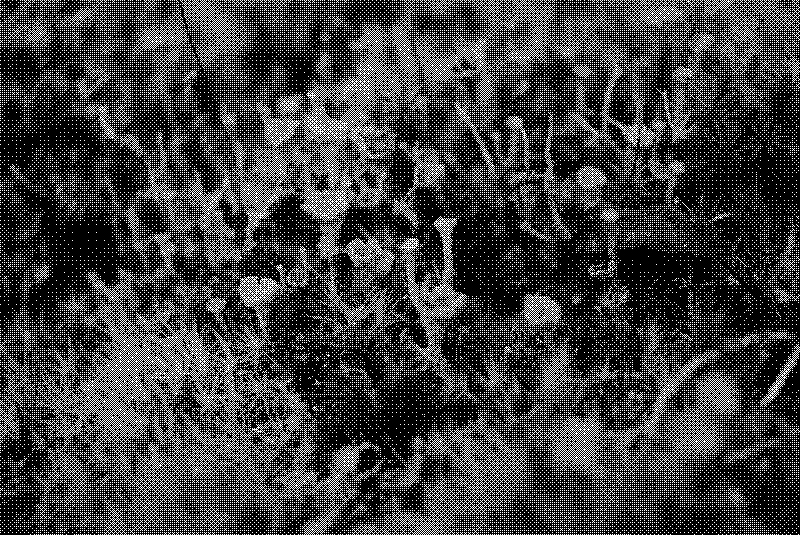
Every square feet of ground was covered by this crazy looking forest of mosses and lichens. I can confidently say that this the pacific northwest is the place where I’ve seen the most types of moss and lichen by far in my life. I’ve always loved a good moss patch so this whole trip has been such a joy of finding new mosses and seeing them thriving and growing in such an abundance.
I sat down amongst the moss for quite a while and after a couple minutes of observation I realized that the big brownish shape that was blending with the big moss clump was actually a moving animal, a very big banana slug. It was moving so slowly that it would have been practically imperceptible to someone who wasn’t just sitting in there still and taking in the details of the scene.
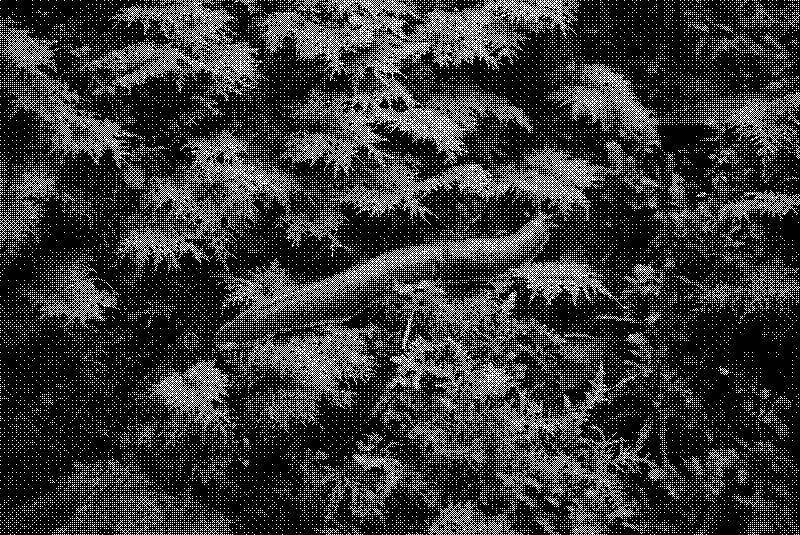
Nearby I also spotted a mushroom growing on some dead branches in a very particular fashion that I had never seen before, along the edges of the branches on both sides
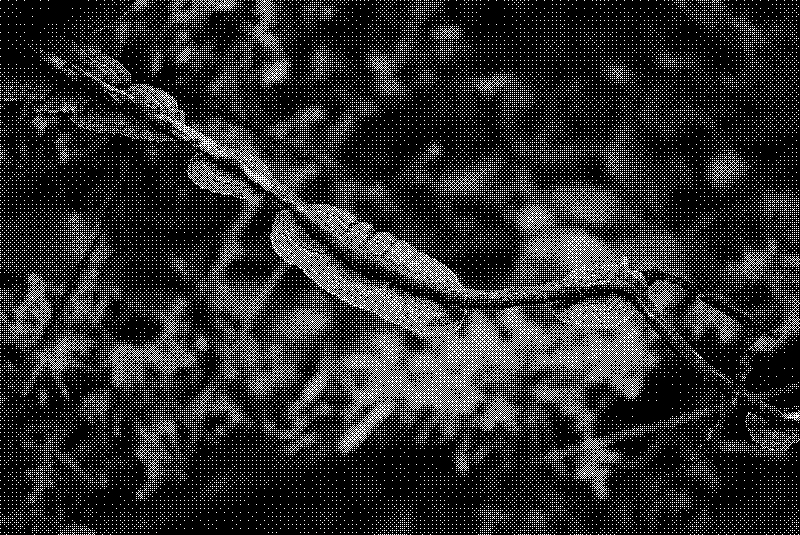
We then drove to Goldstream park to get a taste of slightly wilder BC nature. We ventured on a relatively short hike in there with a friend, walking at a brisk pace. I had trouble keeping up with them, being too busy marveling at the sheer amount of vegetation and moss, the size of the trees and the wetness of it all. Every rock, fallen branch and tree covered with a variety of species of moss and lichen, accumulating and releasing rain water to create this extremely damp self-sustaining ecosystem. I spotted some epiphytes, those plants and small trees that only grow on top of bigger trees, one of the telltale indicators of a rainforest.
As I was walking and noticing all this vegetation and the way it was interacting with the landscape, I kept thinking of that book the Irish rainforest that I read a couple months back, how the author was describing the boom of biodiversity he noticed on his patch of rainforest once it was allowed to go back to its wild state.
It is hard not to be humbled by forest like that, and invigorated too. The size of the trees, the ferns (and even the bugs as I was about to find out) felt out of scale with the rest of the world. Gorging on all this water and nice weather to grow to massive a massive size. As we walked down a curvy path following a river, I kept imagining creatures formed by the twisty branches covered with moss laying around; dragon heads and large centipedes inhabiting this ancient woodland.
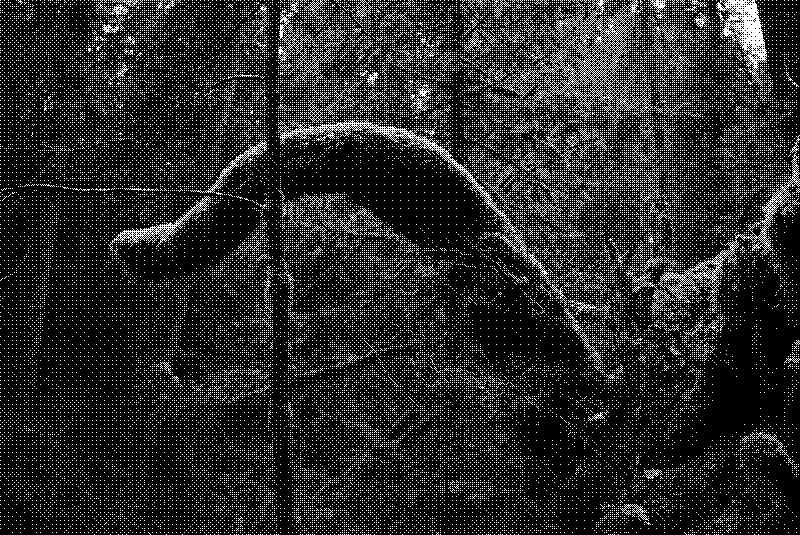
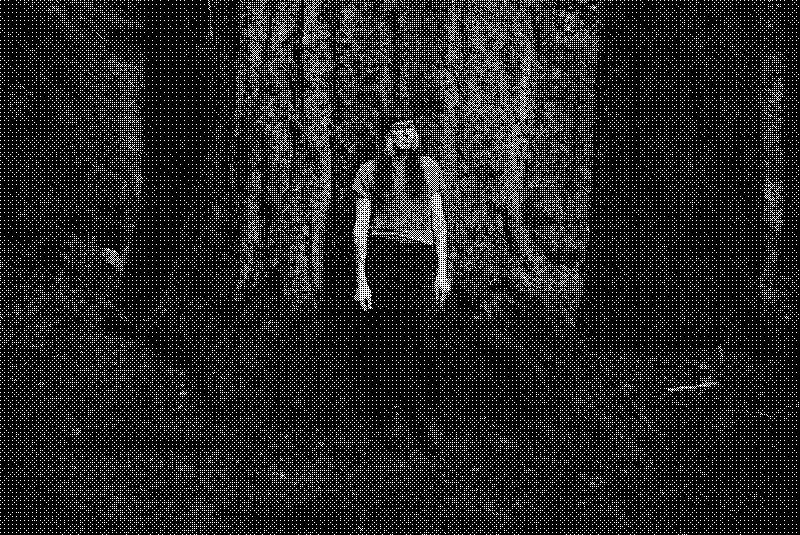
As we got deeper into the forest, taking a detour through some old train tracks running straight through the park, we ended up in a grove of large douglas firs in which I asked to get a photo of me taken with the giants. I’ve heard stories about the giant trees in the pacific northwest for most of my life and I was always fascinated by it, trees so old and so big that they become part of the landscape itself, harbouring a complete ecosystem in themselves and amongst their canopy, true forest ancestors who have seen and felt so much over their lifetime and who seem to guard over the forest with their might.
Not long after this last venture into the west coast nature, we headed back home to Montreal and got hit by the reality of our lives right away. This trip to BC feels a bit like a dream now but taking time with the photos and writing down about the experiences that I lived there helps me remember the lessons that I’ve learned while exploring the stretch of land with Hex. We will definitely go back.